
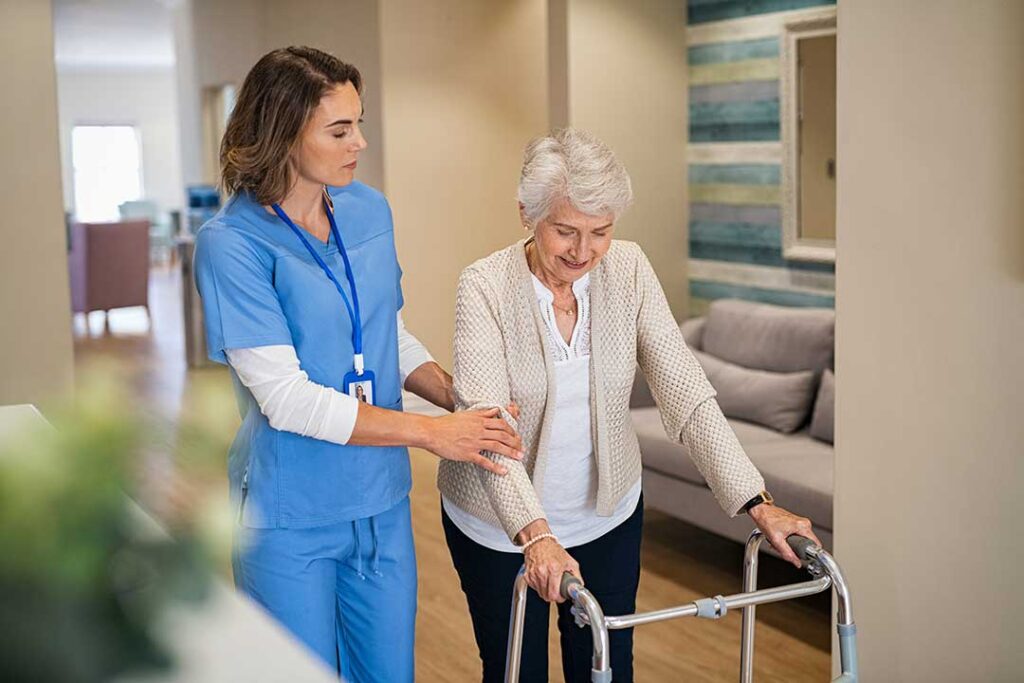
Moving into assisted living usually requires less than people expect. The goal is not to pack an entire household, but to bring the clothing, personal items, records, and familiar comforts needed for daily routines in a smaller, safer living space.
Before packing, ask the residence for its current room measurements, furniture policy, laundry procedures, medication rules, and list of prohibited items. Policies differ, and checking first can prevent unnecessary purchases or difficult returns.
What should be packed first?
Start with items needed during the first few days, then add seasonal and less frequently used belongings. A clearly marked overnight bag can make move-in day easier.
Pack these essentials where they are easy to find:
- Identification and insurance cards
- A current medication list
- Glasses, hearing aids, dentures, and their storage containers
- Toiletries and incontinence supplies, if needed
- Comfortable clothing for several days
- Sleepwear and a robe
- Comfortable, secure-fitting shoes
- Phone, charger, and important contact numbers
- A small amount of familiar food or snacks, if permitted
- Basic personal-care items
The first box or bag should not be buried among decorations or extra clothing. Staff or family members may need to locate medications, mobility equipment, or personal-care supplies quickly.
How much clothing is enough?
A practical wardrobe often includes about one to two weeks of everyday clothing, depending on the residence’s laundry schedule. Too many clothes can crowd the room and make it harder to keep track of what belongs to the resident.
Useful clothing includes:
- Shirts and blouses that are easy to put on
- Elastic-waist pants or other comfortable trousers
- Sweaters, cardigans, or light jackets
- Undergarments and socks
- Several sets of sleepwear
- A robe or housecoat
- Comfortable clothing for dining and activities
- A coat, hat, gloves, and warm layers for colder weather
- A few cooler-weather outfits for spring and fall
- Comfortable, non-slip shoes
For residents in Mount Pleasant, PA, seasonal changes make layers especially useful. Winter mornings can be cold, while indoor spaces may feel warmer. A light jacket or cardigan can be more practical than packing many heavy garments.
Choose clothing that is easy to identify and manage. Avoid complicated fasteners if they create frustration or require assistance. Label clothing with the resident’s name, particularly socks, sweaters, jackets, and items likely to enter a shared laundry process.
Which personal items help a new room feel familiar?
Familiar belongings can make a new room feel more comfortable, but the best choices are usually meaningful rather than numerous.
Consider packing:
- A few framed family photographs
- A favorite blanket or quilt
- A small clock or calendar
- Familiar books, magazines, or puzzles
- A radio or other approved music device
- A small decorative item with personal meaning
- A favorite chair, if the room has enough space
- A hobby supply that is simple and safe to use
Avoid bringing irreplaceable heirlooms, expensive jewelry, large collections, or fragile objects that may be difficult to protect. Several smaller photographs or a digital frame may provide the same sense of familiarity without taking up much room.
Decorations should not block walkways, exits, call buttons, heating vents, or areas needed for staff assistance. Wall-hanging rules also vary, so ask before using nails, adhesive hooks, or other mounting supplies.
What bathroom and personal-care supplies are needed?
Some residences provide basic toiletries, while others expect residents to bring their own. Confirm what is included before packing.
Common supplies may include:
- Toothbrush, toothpaste, and denture-care products
- Shampoo, conditioner, and soap
- Comb, brush, or other hair-care items
- Deodorant and moisturizer
- Shaving supplies
- Nail-care tools, if permitted
- Tissues
- Preferred brands of personal-care products
- Incontinence products, if required by the care plan
Avoid products that are difficult to open, easily spilled, or strongly scented if other residents may be sensitive to fragrances. Keep medications separate from ordinary toiletries because medication storage and administration are governed by residence policy.
How should medications and medical equipment be handled?
Do not place prescription medicines loose in a suitcase or personal drawer unless the residence has specifically instructed the resident to do so. Assisted living communities commonly have procedures for medication storage, administration, and documentation.
Bring an up-to-date list showing:
- Medication name
- Dose and strength
- Time of day it is taken
- Reason for taking it, if known
- Allergies or medication reactions
- Prescribing clinician’s information
- Pharmacy information
- Over-the-counter products and supplements
Mobility and medical equipment should also be reviewed before moving. Depending on the care plan and room layout, the resident may need a walker, cane, wheelchair, shower equipment, hearing-aid supplies, or oxygen-related equipment. The residence should confirm what is allowed and what must be arranged through an appropriate medical or equipment provider.

Do not assume that an old medication list is accurate. Recent changes should be documented before move-in.
Which documents should stay accessible?
Important records should be organized in a labeled folder rather than packed in a storage box. Copies may be useful, but original documents should be protected.
The folder may include:
- Government identification
- Insurance information
- Emergency contacts
- Healthcare proxy or power-of-attorney documents
- Advance directive information
- Preferred hospital and healthcare details
- Current medication and allergy lists
- Financial or billing information required by the residence
- Contact information for family members and legal representatives
Only the information requested by the residence should be shared. Sensitive financial and legal documents should not be left in an unlocked room or included with ordinary belongings without a clear plan.
What should not be packed?
Some items create safety, fire, sanitation, or security concerns. Prohibited belongings vary, but common examples may include:
- Space heaters or heating devices
- Candles, incense, or open-flame items
- Large cooking appliances
- Extension cords or overloaded power strips
- Weapons
- Large quantities of alcohol
- Unapproved cleaning chemicals
- Rugs or mats that slide
- High-value jewelry
- Large furniture that blocks movement
Some residences also limit appliances such as coffee makers, microwaves, electric blankets, or mini refrigerators. Obtain written guidance before bringing electrical equipment.
How can belongings be organized for a smaller room?
Measure before moving furniture. A room may accommodate a favorite chair, small table, dresser, or television, but adding too much can create trip hazards and reduce space for walkers or caregivers.
A simple organization system works well:
1. Label clothing and personal items.
2. Pack clothing by category rather than placing everything in one container.
3. Keep daily-use items within easy reach.
4. Store seasonal clothing separately.
5. Place important documents in one secure folder.
6. Photograph valuable belongings for household records.
7. Make a short inventory of furniture and electronics.
A floor plan or room sketch can help determine what will fit before move-in day. In a compact room, vertical storage and clearly labeled drawers may be more useful than extra furniture.
What is commonly forgotten?
Several small items are easy to overlook:
- Extra eyeglasses or hearing-aid batteries
- A long charging cable approved for the room
- A laundry bag
- A small supply of greeting cards or stationery
- A familiar calendar
- Clothing suitable for appointments and family gatherings
- Backup shoes
- Name labels and a permanent marker
- A small bag for outings
- Copies of emergency contacts
Packing should support the resident’s actual routines, not an idealized version of daily life. If the resident enjoys walking, reading, attending activities, or visiting with family, those habits should guide what comes along.
The most successful move usually includes fewer belongings, clear labeling, current health information, and enough familiar objects to make the room feel personal without making it crowded.
