
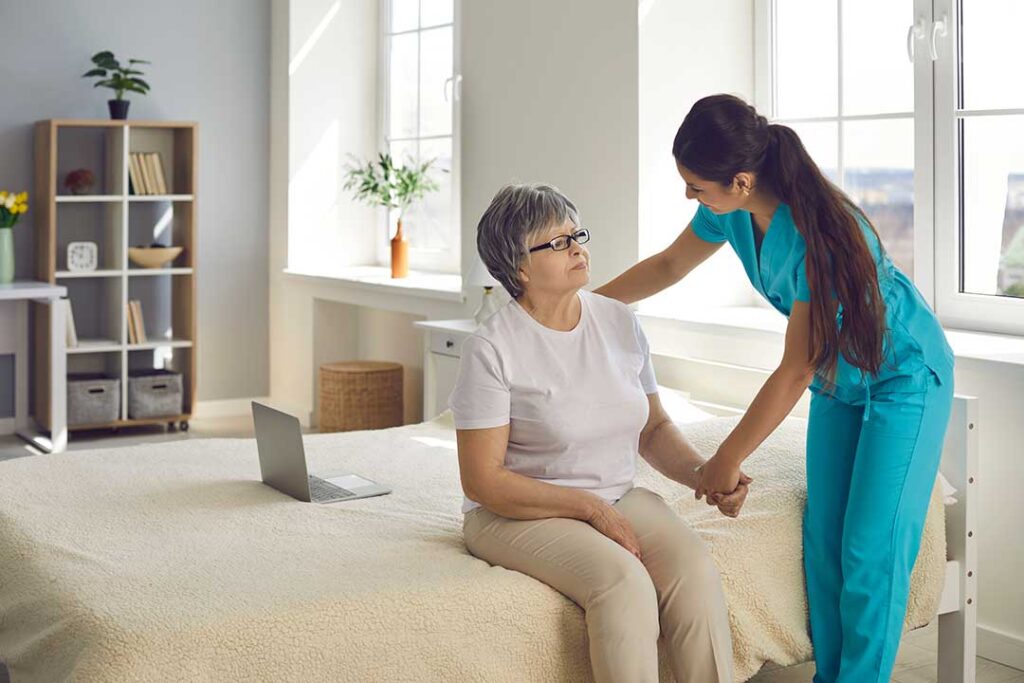
What Challenges Do Seniors Face When Moving to Assisted Living?
The transition to assisted living can introduce many emotions and uncertainties. Local seniors often face mixed feelings about leaving familiar surroundings, adapting to new routines, and building relationships in a community setting. Common concerns include loss of independence, navigating a new environment, and adjusting to scheduled activities and meals.
In Mount Pleasant, factors like the city’s four-season climate, local housing layouts, and the close-knit nature of area neighborhoods affect how seniors experience this change. The rural-to-suburban atmosphere means many are used to private homes or small apartment living, making the move to a communal residence a significant adjustment.
How Can Families and Friends Ease the Transition?
Providing reassurance and patient support is key. Visiting regularly, listening to concerns without judgment, and keeping communication open all help ease anxiety. Small gestures—like bringing favorite books, blankets, or photos—create a sense of familiarity in a new space.
When visiting local residents, consider:
- Helping arrange familiar furniture and decorations in their suite.
- Joining in on a meal or social activity if allowed, to help break the ice.
- Encouraging ongoing participation in traditions, whether it’s reading the same morning newspaper or calling a friend at a set time.
Especially in the months with shorter days or inclement weather, frequent check-ins can be a valuable source of comfort.
What Can Seniors Themselves Do To Adapt More Comfortably?
While every person adjusts at their own pace, taking small proactive steps can ease the transition. Social connections, routines, and personal preferences still matter inside assisted living.
Helpful strategies include:
- Taking part in at least one group activity or meal per week to build familiarity.
- Keeping comfortable clothing and personal care items readily accessible.
- Setting up a daily schedule that mirrors longtime habits, such as favorite breakfast times or evening reading.
Staying informed about the community’s rules, meal times, and emergency procedures makes day-to-day life smoother and reduces stress about the unknown.
Are There Ways to Stay Connected With the Mount Pleasant Community?
Ongoing connections to the broader area can help seniors feel less isolated and more rooted. Many residents value participating in familiar local pastimes, including reading local newspapers or following seasonal festivals and church events. Bringing in news from the wider Mount Pleasant area, sharing photos from favorite local parks or scenic drives, or arranging occasional off-site visits—when possible and cleared by the assisted living community—can reinforce a sense of identity and continuity.
Staying in touch with old neighbors or participating in telephone chats with lifelong friends also provides a support network outside the immediate facility.
What Common Misunderstandings Might Arise?
Some seniors fear that assisted living means losing all independence or privacy. In reality, most settings in the city offer a balance: private rooms or apartments with shared amenities, and opportunities to participate in activities as much (or as little) as one chooses.
It’s also a misconception that making new friends is difficult. While it may take time, many residents find unexpected companionship through shared meals, story exchanges, or interest groups. Approaching these opportunities with an open mind, or even volunteering for a committee, can help bridge that initial gap.
How Should Families Handle Difficult Emotions?
It’s normal to experience sadness, guilt, or even frustration among both seniors and family members during the move. Acknowledging that these feelings are common allows everyone to process them openly. It’s helpful for families to:
- Talk honestly about the reasons for choosing assisted living, focusing on health, safety, and quality of life.
- Validate emotions instead of dismissing them quickly.
- Seek out informal support—talking with friends who have faced similar transitions can offer perspective.
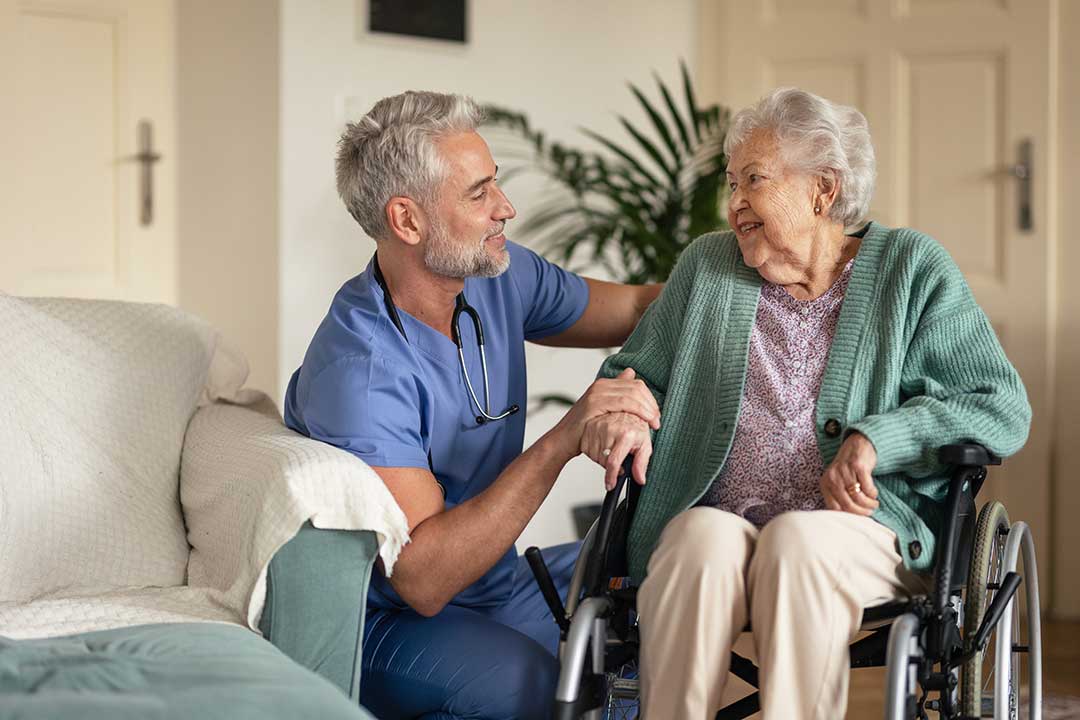
Area residents sometimes find comfort in local faith communities, senior clubs, or informal gatherings at local parks and diners, offering another outlet for processing feelings.
What Should Be Packed or Brought Along?
Bringing the right items helps create a home-like atmosphere. Besides clothes and medical supplies, consider including:
- Photos, artwork, and wall hangings from home.
- Favorite mugs, lap blankets, or a familiar bedside lamp.
- Weather-appropriate clothing for Mount Pleasant’s cold winters and humid summers.
- A calendar with key family birthdays or community events marked in advance.
There’s no need to overpack, but a handful of meaningful belongings can make the new space inviting.
Why Is Ongoing Communication With Staff Helpful?
Staying in touch with assisted living staff builds confidence and ensures smoother adaptation. Asking about daily routines, meal flexibility, or questions about building amenities provides clarity and reduces surprises. If concerns arise—about health, roommates, or schedules—clear, polite communication usually results in practical solutions.
In the city, staff are generally familiar with local customs and weather patterns, so sharing preferences or special requests is often welcomed and helps personalize each resident’s experience.
What Seasonal Considerations Are Unique to Mount Pleasant Residents?
Local weather can influence daily routines. For example, seniors moving during winter months may need extra warm bedding, snow boots, or helpful reminders about icy walkways. In spring and summer, light clothing and a good fan may ensure comfort in older buildings. Families might arrange visits or moves during milder weather when possible, as people tend to settle in more smoothly without the added stress of extreme temperatures.
Adjusting to assisted living is a process, but with thoughtful planning and ongoing encouragement, Mount Pleasant seniors can build meaningful, enjoyable new routines and remain closely connected to the community that feels like home.
