
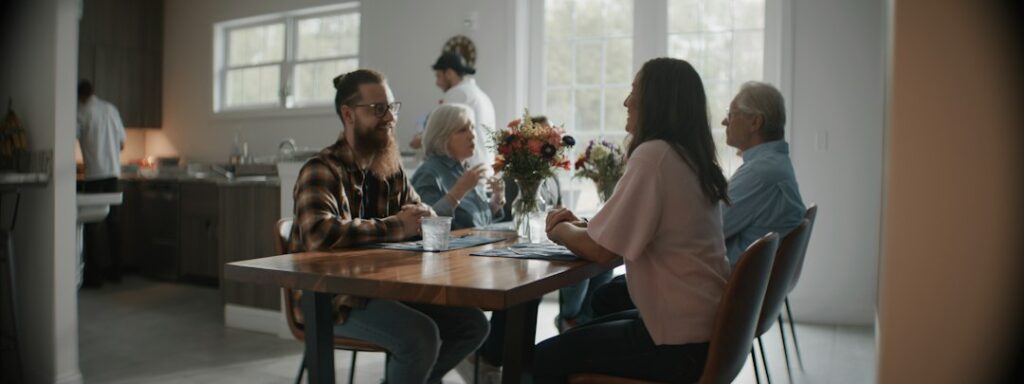
Assisted living can support couples by combining shared living arrangements with help tailored to each person’s needs. For older adults in Mount Pleasant, PA, this may allow spouses or long-term partners to remain together while receiving assistance with daily routines, medication management, meals, transportation, and personal care.
The goal is not to make both partners follow the same schedule or receive identical services. A well-planned arrangement recognizes that couples often have different health conditions, abilities, preferences, and levels of independence.
Can couples live together in assisted living?
Often, couples can share an apartment or suite in an assisted living setting, depending on the community’s floor plans, licensing requirements, and each resident’s care needs. Couples may be able to maintain a private bedroom and living space while receiving support from staff when needed.
Living together may reduce the emotional strain that can accompany separate housing arrangements. Partners can continue familiar routines such as eating meals together, watching television, reading, attending activities, or visiting with family.
However, shared housing is not always the right option. A couple may need different levels of supervision, or one person may eventually require a setting designed for more advanced medical or memory-related care. Planning for those possibilities early can help families avoid making urgent decisions during a health crisis.
How are different care needs handled?
Couples do not have to be at the same functional level to live in the same assisted living setting. One partner may need help with bathing, dressing, or transferring, while the other may mainly benefit from meals, housekeeping, transportation, and social opportunities.
A care plan may address each person separately, including:
- Medication reminders or medication assistance
- Help with bathing, grooming, dressing, or toileting
- Mobility support and fall-prevention measures
- Special diets or meal assistance
- Memory support and supervision
- Transportation to appointments or errands
- Housekeeping and laundry
- Rest periods, activity preferences, and sleep routines
This individualized approach can help prevent one partner from becoming the other’s unpaid caregiver. Spouses often want to help each other, but caregiving can become physically and emotionally demanding, especially when lifting, nighttime supervision, or complex medication routines are involved.
Does assisted living allow couples to remain independent?
Assisted living is generally designed to provide support without taking away every personal choice. Couples may still decide when to wake up, what to wear, how to spend their free time, and whether to participate in activities.
Independence can look different for every couple. For one pair, it may mean preparing simple snacks in a kitchenette. For another, it may mean walking to a common area, choosing daily activities, or continuing to attend family events.
The most useful question is not whether a couple can do everything without help. It is whether the living arrangement provides the right amount of assistance while preserving privacy, control, and dignity.
What happens if one partner needs more care than the other?
A difference in care needs is common among couples. One partner may remain active and independent, while the other needs regular support or supervision. Assisted living may help by providing services to the partner who needs them without requiring the more independent spouse to move into a higher level of care.
Families should ask how a setting responds if needs change. Useful questions include:
- Can care services increase over time?
- Are there additional memory-support options?
- What happens after a hospitalization or rehabilitation stay?
- Can one partner remain if the other needs a different care setting?
- How are care-plan changes communicated to family members?
- Are overnight needs addressed by staff?
A couple’s arrangement should be reviewed periodically. Changes in balance, walking ability, continence, memory, medication use, or nighttime behavior may affect whether shared living remains safe and comfortable.
How can assisted living reduce caregiver stress for couples?
Many spouses gradually become caregivers without recognizing how much responsibility they have taken on. A partner may manage medications, prepare every meal, provide transportation, monitor falls, help with bathing, or stay awake at night.
Assisted living can shift some of these responsibilities to trained staff. That may allow the couple to spend more time together as partners rather than focusing primarily on care tasks.
Relief from caregiving does not mean reduced commitment. In many cases, it helps spouses preserve affection, conversation, and companionship. Family members may also experience less worry when daily support is available within the residence.

What should couples consider before moving?
The practical details of a move matter. Couples should examine both present needs and likely changes over the next several years.
Important considerations include:
- Whether the apartment can accommodate mobility devices
- Bathroom accessibility and shower design
- Storage for clothing, keepsakes, and medical equipment
- Rules regarding personal furniture and household items
- Meal schedules and dining options
- Transportation during winter weather
- Availability of outdoor areas or walking paths
- Quiet hours, visiting policies, and overnight routines
- How emergency response is handled
- Monthly costs and which services may create additional charges
Seasonal conditions can also affect daily life for older adults. Snow, ice, cold temperatures, and shorter winter daylight may make driving, walking, and maintaining a private home more difficult. A residence that offers indoor activities, accessible common areas, and transportation support may reduce some of those seasonal challenges.
What if one partner is living with dementia?
Dementia can change how a couple uses shared space and participates in daily routines. The partner with memory loss may need reminders, supervision, a predictable schedule, or protection from wandering and unsafe situations.
The other partner may still benefit from shared meals and visits but may not be able to provide continuous supervision. This is an area where families should ask detailed questions about staffing, secured areas, nighttime monitoring, behavior changes, and transitions to more specialized care.
A common misconception is that spouses must either remain fully responsible for one another or be separated immediately. In reality, care arrangements may be adjusted over time. The couple may share some routines while receiving different types and amounts of support.
How can family members support a couple’s transition?
Moving from a long-time home can be emotionally difficult, even when the decision is sensible. Family members can help by involving both partners in decisions, discussing what belongings matter most, and keeping familiar routines whenever possible.
It may help to bring a few recognizable items, establish regular visiting or calling patterns, and allow time for adjustment. One partner may adapt quickly while the other feels uncertain or resistant. Those reactions are normal and may change as the new routine becomes familiar.
Families should also listen for less obvious concerns, such as embarrassment about needing help, fear of losing privacy, worry about finances, or anxiety about being separated later. Addressing those concerns directly can make planning more respectful and realistic.
For couples in Mount Pleasant, the central question is often not simply whether assisted living is needed. It is how support can be arranged so both people remain safe, connected, and involved in decisions about their daily lives.
